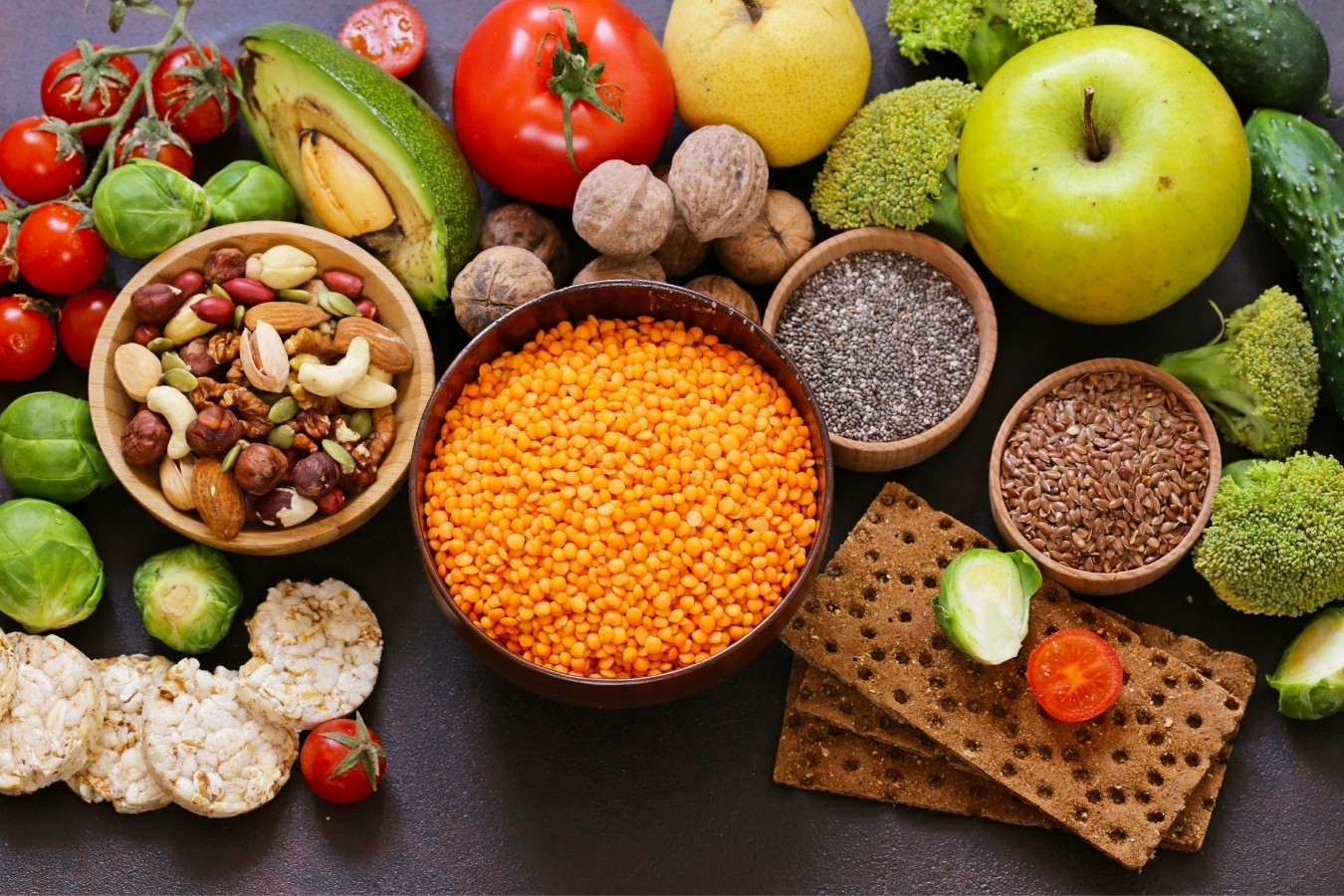
5 of My Favorite Happy Eating Tips for Vegetarians Everywhere

I am a pescetarian.
I don’t typically tell people that, because no one knows what it means. So here’s the simple explanation: take a vegetarian diet and then add seafood and you’ve got yourself a pescetarian.
So typically, I’ll just say “I’m a vegetarian, but I also eat seafood.”
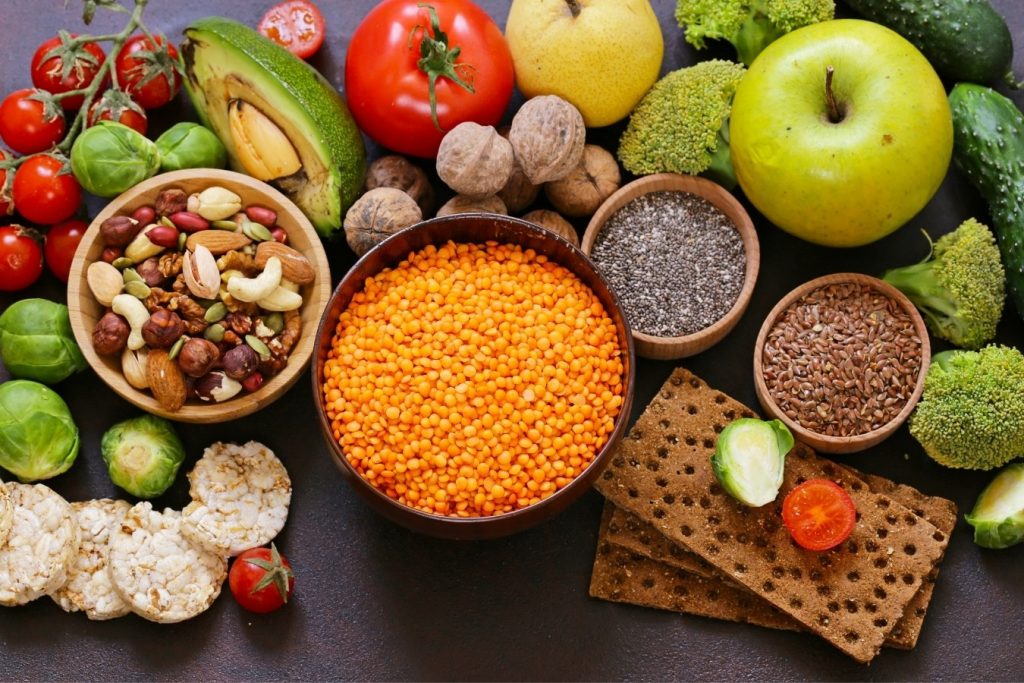
On a day-to-day basis, though, I’m a practicing vegetarian. Being a vegetarian and getting all the nutrients you need can be hard, so here are my favorite tips for the healthy veggie in you!
1. You need protein.
Here’s a secret you may not know: you should be adding protein to every single meal. Here are some super easy ways to do that:
Tempeh, tofu, chick peas, eggs, and beans are some of my favorite ways to get a lot of protein. These can get old pretty quickly, so look up different recipes to spice things up – try marinating your tofu overnight or sautéing your tempeh.
Throw nuts on top of everything. My favorite are almonds or sunflower seeds because they’re a bit “softer” and don’t surprise you as much when you crunch down on them.
When in doubt, dip it in hummus! Hummus is delicious. That’s all there is to it. Try to buy a brand that isn’t filled with a whole lot of garbage you don’t need; in other words, make sure it’s as “clean” as possible.
2. You need iron.
Spinach, spinach, spinach. Popeye muscles, here we come! Spinach is great for you – in more ways than just iron – and it’s easy to add on top of a ton of dishes!
Here are some more easy ways to get the iron you need:
- Eggs (the yolks!)
- Beans, Lentils, Chick peas
- Artichokes
free download
Ready to create harmony in your busy life?

3. You need good carbs.
I’m not a carb person. I don’t like the way I feel full and overstuffed when I eat pasta or bread, even when I know it’s whole wheat. Here are some good-for-you carbs that won’t leave you feeling quite as full and bloated:
- Quinoa
- Brown rice
- Barley
- Granola
4. You need good oils.
I put cold-pressed organic olive oil on, umm, pretty much everything I eat. With a diet consisting of so many fruits, vegetables, and otherwise low-fat foods, your body needs good oil, too. Here are some other ways to get it:
- Olive oil, Sesame seed oil, Sunflower oil (Cold-pressed and organic is the best)
- Avocado
- Nuts, Peanut butter
- Soymilk
5. Watch your salt.
It’s easy to think anything that’s a vegetable is ok. The trouble is that a lot of vegetarian products can be processed, and therefore full of sodium. Here are a few to pay special attention to:
- Things out of a can = not ok. And FULL of sodium.
- Veggie burgers. Check those labels and compare your choices before you go with one.
- Vegetarian soups. Wonder why it lasts so long? Salt, salt, and salt.
Bonus: My Favorite Go-To Vegetarian Meals
Breakfast
- Granola, Greek yogurt, and fruit
- Whey protein powder, almond milk, frozen spinach, frozen (or fresh) fruit/berries, and sunflower seeds or almonds
Lunch/Dinner
- Salad (spinach, tomatoes, cucumber, green pepper) topped with blackened tempeh and drizzled with olive oil
- Eggplant stuffed with brown rice, winter veggies, and chick peas or tofu
- Grilled tempeh and steamed vegetables, covered in sunflower seeds and drizzled with olive oil
Snacks
- Apple or celery and peanut or almond butter
- Carrots or another veggie and hummus
What about you? What are your favorite healthy vegetarian tips and tricks?