How to Rank Better Internationally: Best Practices for Good International SEO

Sometimes we focus too much on US traffic, as many of us are national and not international.
For those companies who do business internationally, however, it’s important to remember that the world is flat and the Internet is no exception.

Target the right search engines
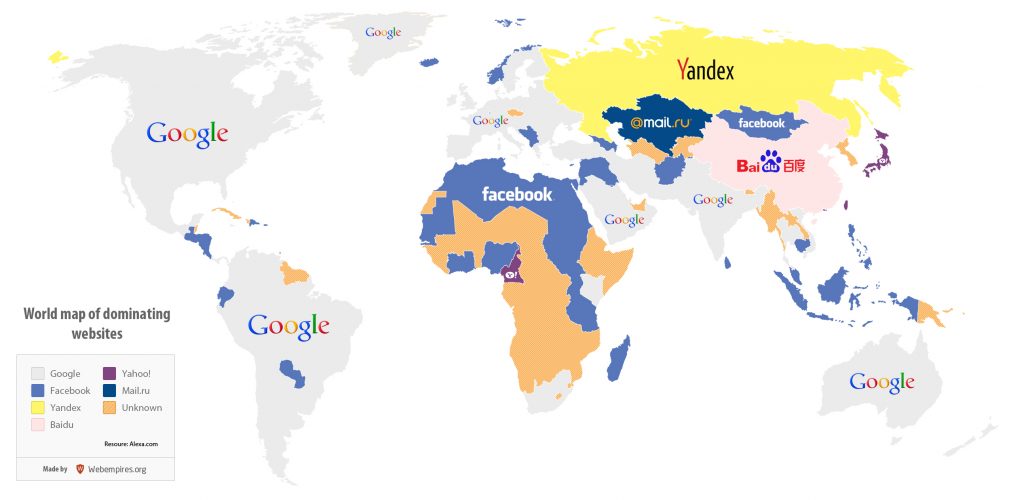
Not every country is as in love with Google as we are here in the states. If you’re targeting a certain audience, make sure you focus on what they use.
Below are the most popular search engines by country in 2012.
Target the right keywords
Just as you would target locations in the US, think about your prime areas for business around the globe.
Should you think about an ad campaign targeting localized areas with specific location-based landing pages? Should you use Google AdWords? Facebook? Yahoo?
Think about local slang, different terms for your products or services, and why an international prospect would become a customer.
Think about language barriers
Does your website translate? Since many browsers offer translation tools, there is not necessarily a need to have your website or pages rewritten in that language. However, it may be beneficial to spend the money to have a translator check to make sure your content makes sense.
Think about the domain
Sometimes, owning the domain specific to the country in question can help your cause. By owning and redirecting the domain to your .com, .org, .biz, etc. you can gain some international SEO points. For example, think .ca for Canada, .co.uk for the UK, and .de for Germany.
Do as the country does
Want to up the ante in SEO for a specific country? No problem. Just do as they do.
Do things like join their directories, by seeking out popular general or niche directories and either paying or listing your website for free. You can also work to acquire links from international sites by creating relationships with local websites and getting links from guest blogging or other opportunities.
Check your work
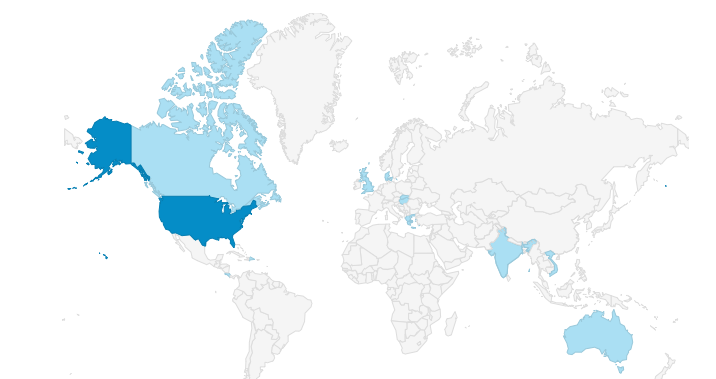
Make sure your SEO efforts are working. Use Google Analytics to review where in the world people are coming from. Go to Audience > Demographics, then choose “Language” and “Location”.