
How to Choose Blog Topics Your Customers Are Already Searching For

One of the biggest mistakes businesses make with blogging is writing about what they want to say, instead of what their audience actually wants to know.
It’s easy to fall into the habit of publishing company updates, announcing new services, or writing broad articles that don’t solve a specific problem. While those topics may have their place, they rarely bring new visitors to your website.
The blogs that consistently generate traffic have one thing in common: they answer questions people are already asking.
When your content aligns with real search intent, you’re no longer guessing what might interest your audience. You’re meeting them exactly where they are, with the information they’re actively looking for.
Here’s how to find those topics – and build a content strategy that works long after you hit publish.

Start With the Questions You Hear Every Week
You don’t need expensive SEO software to uncover great blog ideas; some of your best topics are hiding in plain sight.
Think about the conversations you have with customers every day. What questions come up repeatedly during discovery calls, sales meetings, or customer support emails? Maybe people ask:
▹ How long does the process take?
▹ How much does it cost?
▹ What’s the difference between two services?
▹ Do I really need this?
▹ What happens if I wait?
If one person asks the question, chances are dozens – or hundreds – of others are searching for the same answer online. Every frequently asked question is a potential blogpost.
Use Google’s Search Results as Inspiration
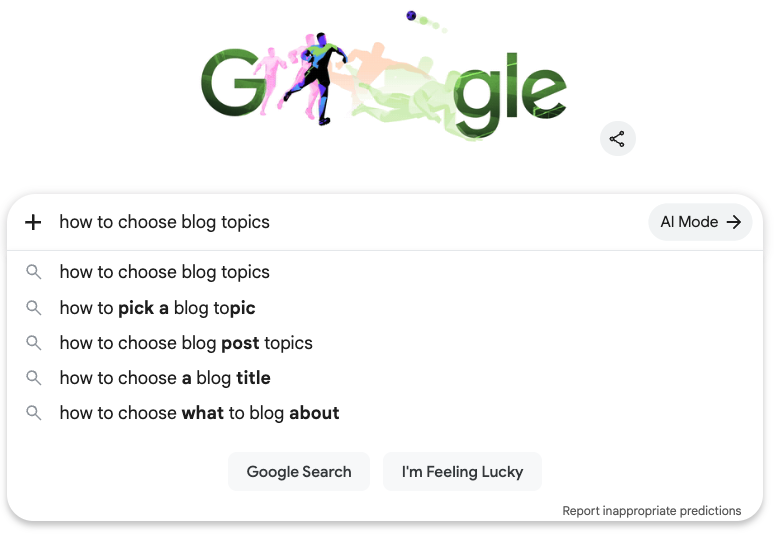
Google gives away valuable clues about what people want to know. Start typing a keyword related to your business into the search bar and pay attention to the autocomplete suggestions. Those aren’t random; they’re based on real searches.
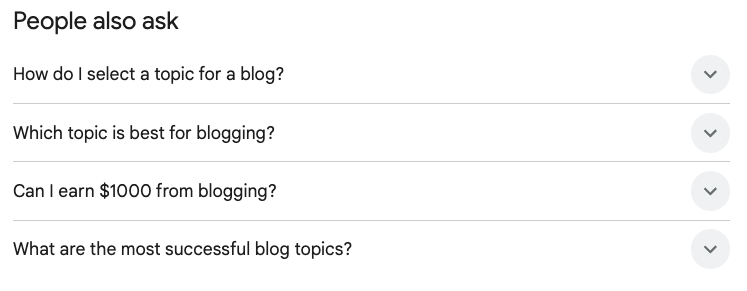
After running a search, scroll to the “People Also Ask” section. You’ll often find related questions that can become standalone blog posts or helpful subheadings within a larger article.
Don’t overlook the searches listed at the bottom of the page either. Those related searches can reveal new angles you may not have considered. When Google repeatedly surfaces a question, it’s usually because people are searching for it.
Look Beyond High-Volume Keywords
Many businesses chase only the biggest keywords. The problem? So is everyone else.
Instead of trying to rank for broad terms like “marketing” or “website design,” focus on specific questions and long-tail keywords. For example, compare these two searches:
Website design vs. How much does a small business website cost in 2026?
The second search has a much clearer intent. Someone asking that question is further along in their decision-making process and is looking for detailed information, not a general overview. Specific topics often attract visitors who are much closer to becoming customers.
Pay Attention to Customer Language
One of the easiest ways to make your content feel authentic is to use the same words your customers use. Avoid industry jargon whenever possible. Instead, listen to how people describe their challenges during consultations, emails, and social media comments.
For example, your customers might not search for: “content optimization strategy.”
They’re more likely to search: “why isn’t my blog getting traffic?”
Those subtle wording differences matter. Writing the way your audience speaks helps your content feel more relatable while improving its chances of matching real search queries.

See What Competitors Aren’t Covering
Reading competitor blogs can spark ideas – but don’t stop at copying their topics. Instead, ask yourself:
▹ What questions did they leave unanswered?
▹ Could this topic be explained more clearly?
▹ Is their information outdated?
▹ Can you add examples or practical advice they missed?
The goal isn’t to create a slightly different version of someone else’s article. The goal is to create the resource readers wish they had found first. Depth, clarity, and usefulness will always outperform a shallow article written just to check a publishing box.
Think About Every Stage of the Buying Journey
Not everyone visiting your website is ready to make a purchase today. Some are just beginning their research, others are comparing options, and some simply want reassurance before making a final decision. Your blog should serve each stage.
Early-stage readers may search:
▹ What is SEO?
▹ Why should businesses blog?
Mid-stage readers might search:
▹ How often should I publish blogposts?
▹ Is AI content bad for SEO?
Late-stage readers often ask:
▹ How much does blog writing cost?
▹ Should I hire a content writer or do it myself?
When your blog covers every stage of the customer journey, you’re building trust long before someone fills out your contact form.
Use Analytics to Guide Future Topics
Publishing great content is only half the job. Review your website analytics regularly to see which articles are attracting the most visitors and keeping readers engaged. Patterns often emerge.
If one article performs exceptionally well, consider creating related content that explores the topic in greater depth. (Think of your blog as a growing library rather than a collection of isolated articles.) Each new post should strengthen the overall resource you’ve built for your audience.
Focus on Helping, Not Ranking
It’s tempting to write solely for search engines. But search engines are increasingly rewarding content that genuinely helps people.
Instead of asking: “What keyword should I target?”
Try asking: “What problem can I solve today?”
That small shift changes everything. Helpful articles naturally include relevant keywords because they’re answering real questions. More importantly, they leave readers feeling informed instead of marketed to. And that’s exactly what builds trust.

Want to create powerful blog content?
It all starts with your blogpost title.
This digital download will give you 120 blogpost title ideas to get inspired, start ranking on Google, and get clicks from the right readers.
In fact, they won’t be able to help but click.
Finding blog ideas doesn’t have to be complicated. Listen to your customers. Pay attention to the questions they ask. Explore the topics they’re already searching for, then create content that answers those questions better than anyone else.
The most successful blogs aren’t built around clever headlines or viral trends. They’re built around consistently helping real people solve real problems. When your content becomes the answer your audience was looking for, search traffic grows naturally, trust develops faster, and your blog becomes one of your business’s most valuable marketing assets.
ready for more?
We’ve got you covered…and we’ll keep it simple.
Every week, we’ll pop in your inbox with awesome SEO and blogging tips made easy.