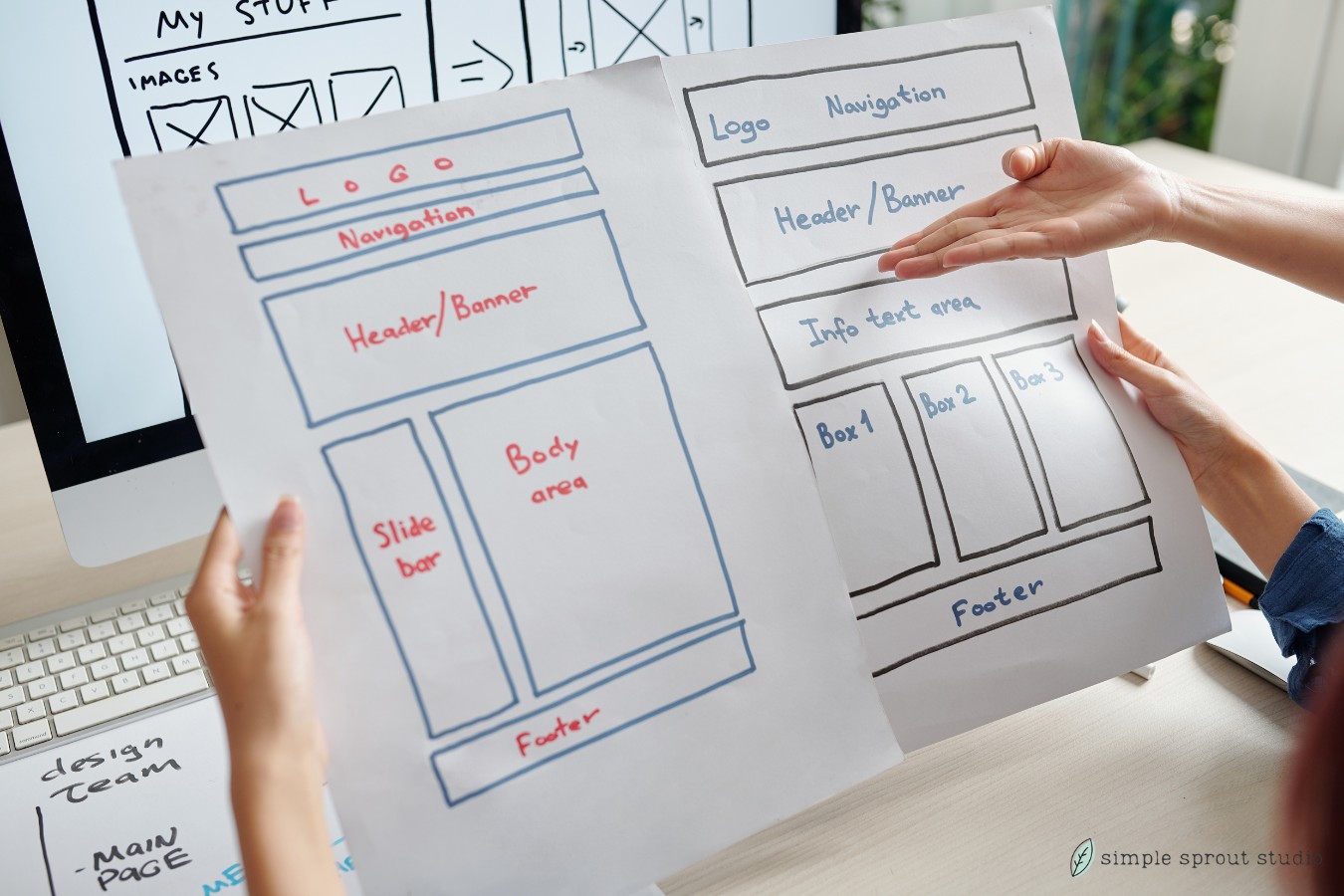
The Ultimate Blogpost Anatomy: The Layout That Ranks & Converts

Some blog posts just work. They hook you with a killer headline, keep you scrolling, and before you know it, you’ve subscribed, downloaded, or even bought something. That’s not luck; it’s the power of a strong blogpost structure.
When you understand the anatomy of a blog post – headline formulas, intro hooks, scannable subheads, CTAs, readability, links, and FAQs – you’ll have a repeatable layout that ranks in search engines and converts readers into customers.
Here’s how to build a blogpost structure that performs every time.
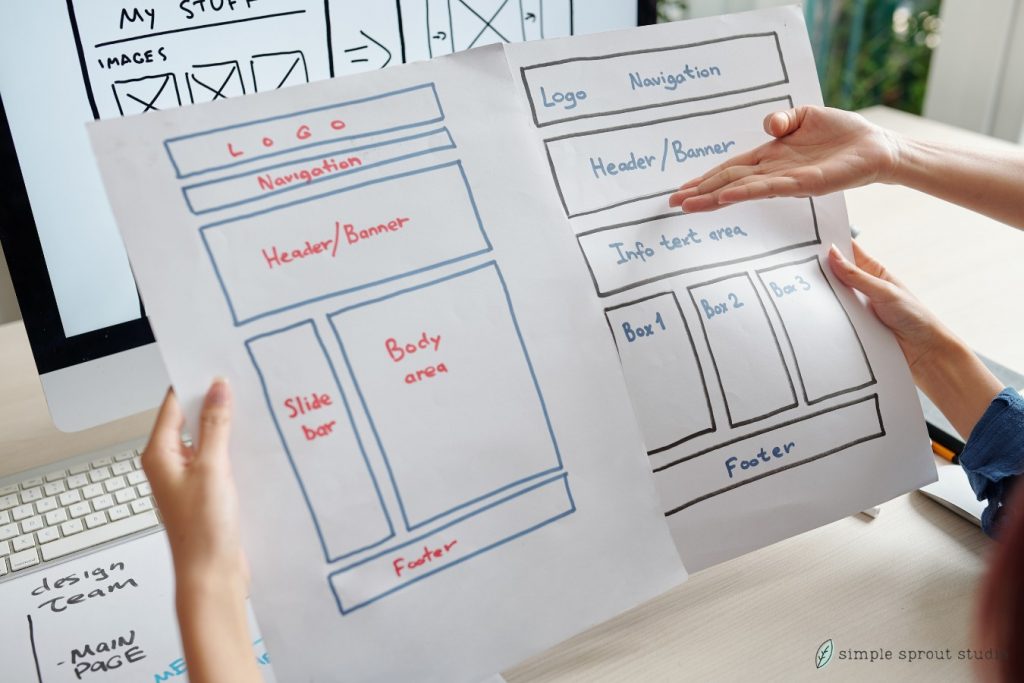
1. Headlines: The Start of Every Great Blogpost Structure
Think of your headline as the front door. If it’s boring, people won’t even knock. A strong blogpost structure always starts with a compelling headline that promises value and sparks curiosity.
Use proven formulas like:
▷ “Number + Benefit + Timeframe”: “7 Ways to Boost Traffic in 30 Days”
▷ “How to + Goal + Without Pain Point”: “How to Create Content That Converts Without Burning Out”
▷ “Question + Empathy”: “Struggling with Blog Traffic? Here’s the Fix.”
Keep it to the point, make it crystal clear, and deliver on the promise in your post.

Want better SEO rankings for your blog?
Your blogpost titles can help you get them.
Your blogpost title is about 50% of your battle when it comes to both optimizing your blogpost and enticing searchers to click on it.
That’s the power of the title.
2. Intro Hooks: Lock in Attention Fast
A solid blogpost structure moves quickly from headline to hook. Your intro has one job: convince people to keep reading. That means:
▷ Speak directly to their pain point (“Spending hours writing but getting crickets?”)
▷ Set expectations (“This post breaks down the exact structure that ranks and converts.”)
▷ Show empathy (“I’ve tested this layout on dozens of posts, and here’s what works.”)
Think of your intro as a handshake; it should be warm, confident, and brief.
3. Scannable Subheads: The Backbone of Blogpost Structure
People skim before they commit. That’s why scannable subheads are essential in a winning blogpost structure. Follow these best practices:
▷ Use H2s and H3s to break content into digestible sections.
▷ Write subheads that tell the story at a glance.
▷ Keep them short (5–8 words) and action-oriented.
▷ Sprinkle in keywords naturally; don’t force it.
If someone only reads your subheads, they should still walk away understanding the gist of your post.
4. Readability Rules: Keep It Simple, Keep It Human
An effective blogpost structure prioritizes readability. Even brilliant content won’t work if it feels like homework. Here’s how to keep your writing reader-friendly:
▷ Keep your content conversational, not academic. (Generally, you’re going to want to write at about an 8th-grade reading level in most cases.)
▷ Stick to short sentences (15–20 words) and short paragraphs (2–4 sentences).
▷ Use bullet points and lists for easy scanning.
▷ Write like you talk; don’t be afraid of contractions and casual tone.
Here’s the bottom line: if your readers can breeze through it, they’ll stay longer and convert more often.
5. Internal Links: Strengthen Your Blogpost Structure
Internal links do double duty: they boost your SEO and guide readers deeper into your content. A good blogpost structure weaves links naturally into the flow. Try these tips:
▷ Link to older posts that expand on the current topic.
▷ Use descriptive anchor text (“learn more about keyword research”) instead of vague “click here.”
▷ Aim for 2–5 internal links in an 800–1,200-word post.
Think of internal links as the connective tissue of your site—they keep everything working together.
6. CTA Placement: Seal the Deal
No blogpost structure is complete without a clear call-to-action (CTA). It’s the bridge between free value and your ultimate goal. Here’s where to place CTAs:
▷ Early soft CTA (above the fold): “Want this guide as a PDF?”
▷ Mid-post CTA: After you’ve provided real value and earned trust.
▷ End-of-post CTA: Your strongest ask – subscribe, download, book a call, or buy.
Match your CTA to the reader’s stage. If they’re just learning, offer a free checklist. If they’re ready, invite them to take the next step.
7. FAQ Schema: An SEO Booster for Blogpost Structure
Adding an FAQ section isn’t just nice for readers; it also enhances your blogpost structure with SEO juice. Here’s why it works:
▷ Captures “People Also Ask” queries in Google.
▷ Improves your chance of showing up in featured snippets.
▷ Increases time on page because readers get answers quickly.
Format FAQs as H2s or H3s with short, direct answers. If your site supports schema markup, tag them properly for maximum SEO benefit.
8. Extra On-Page SEO Elements
While your blogpost structure is the star, don’t overlook the supporting details:
▷ Write a keyword-rich meta title and meta description that invite clicks.
▷ Add image alt text for SEO and accessibility.
▷ Keep your URL short and descriptive.
▷ Use outbound links to credible sources.
These small touches signal quality to search engines and make your content more useful to readers.
Reusable Blogpost Structure Outline
Here’s a template you can use for every post:
1. Headline (formula-based, benefit-driven)
2. Intro Hook (pain point + promise)
3. Why This Topic Matters (context, stats, examples)
4. Main Sections
▷ Subhead: Headline formulas
▷ Subhead: Intro hooks
▷ Subhead: Subheads & readability
▷ Subhead: Links & SEO best practices
5. CTA Strategy (soft, mid, strong)
6. FAQ Section (3–6 common questions)
7. Conclusion (recap + final CTA)
This reusable blogpost structure ensures consistency, saves time, and keeps your content aligned with SEO and conversion goals.
A high-performing blogpost structure is more than just words on a page; it’s a system. From the headline to the FAQ, every part works together to grab attention, build trust, and move readers toward action.
When you follow this structure, you’ll stop publishing posts that disappear into the void and start building content that actually ranks and converts.
ready for more?
We’ve got you covered…and we’ll keep it simple.
Every week, we’ll pop in your inbox with awesome SEO and blogging tips made easy.